
The Minister's Rise and Withdrawal
I ChingThis flow traces the capable official's gradual advancement, service to a ruler, and eventual need to recognize when public action should end.
increasing Bearing strength in each event
 decreasing
Bearing strength in each eventdecreasingAdvancement Begins Small

The Officer Seeks Recognition
An obstructed beginning
Progress depicts an official who wishes to advance but is initially held back. Legge reads the first line as a modest start that requires firm correctness.
The desire for office is not enough; character must remain stable when recognition is delayed.
A generous response to distrust
If trust is not yet given, the official should maintain a broad mind and avoid resentment. His conduct prepares the ground for future confidence.
The first stage of advancement is endurance under limited recognition.
The Ruler Recognizes Merit
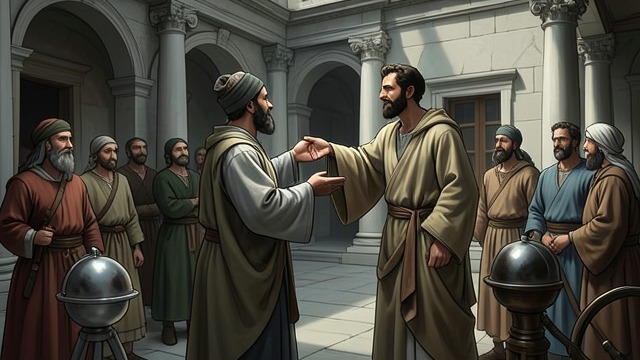
A Relationship Forms
Help from above
The second line depicts an officer still sorrowful in obscurity, yet sustained by the ruler's favor. Legge explains the family term in the line as a reference to the ruler's motherly position.
Recognition arrives before the officer has escaped every hardship.
Service without anxiety
The fifth line advises the ruler not to be consumed by fears of success or failure. If the official advances properly, the course becomes advantageous.
The relationship develops through mutual trust rather than a contest for status.
A Successful Official Becomes Necessary
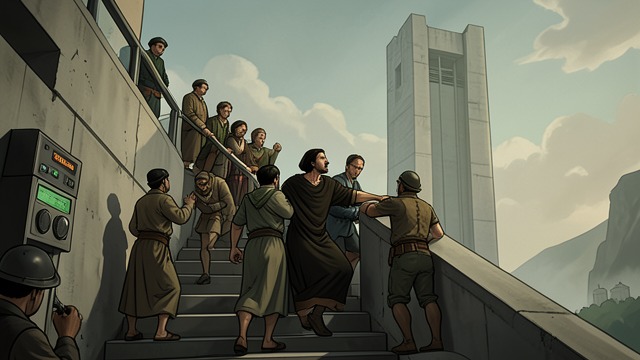
Capability Sustains Advancement
Service with sincerity
Pushing Upward shows an official rising toward the ruler. The second line says sincerity can make even a small sacrifice acceptable, emphasizing loyalty rather than display.
Legge sees a capable officer serving a ruler who is willing to receive him.
Advancement by stages
The hexagram presents promotion as gradual and supported, not seized by force. A minister's strength is balanced by humility and appropriate timing.
The official's rise succeeds because he can remain devoted without becoming self-serving.
The Official Must Retire
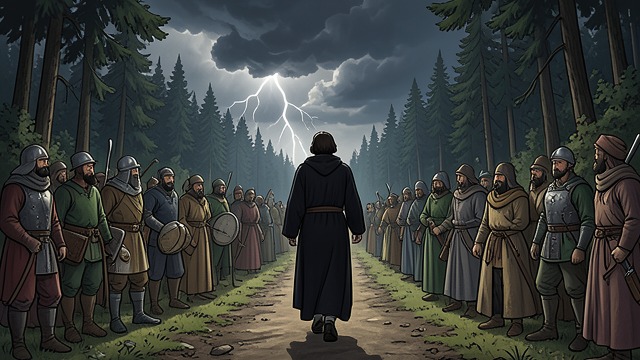
Withdrawal Before Defeat
A hostile political climate
Retreat represents a time when small men multiply and superior men are forced to withdraw. Legge reads it as political judgment about changing power, not cowardice.
A good official may preserve his integrity by refusing to be trapped in a failing contest.
Distinct ways of leaving
The lines distinguish hurried flight, entanglement, and noble withdrawal. The best form of retreat remains deliberate and aligned with principle.
The official's fate depends on recognizing that continued service is not always useful.
The Recluse Refuses Office
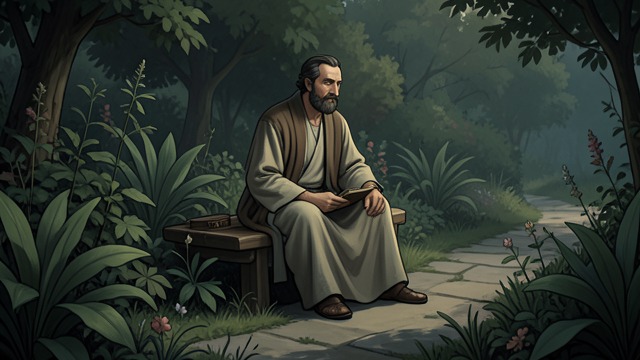
Service Has an Outer Limit
A life beyond the court
The last line of Decay and Restoration presents a person who serves neither king nor feudal lord but attends to his own affairs. Legge reads him as outside the sphere of public action.
The choice is not simply failure; it can represent withdrawal from a corrupt or exhausted political world.
Self-cultivation as an alternative
When public work no longer offers a proper course, attention can turn toward the cultivation of oneself. The text allows political service to end without making every life depend on office.
The official's broader fate resolves in a choice between public usefulness and personal integrity.
At the opening of Progress
At the second and fifth lines of Progress
At the second line of Pushing Upward
When small men gain power, during Retreat
At the final line of Decay and Restoration
